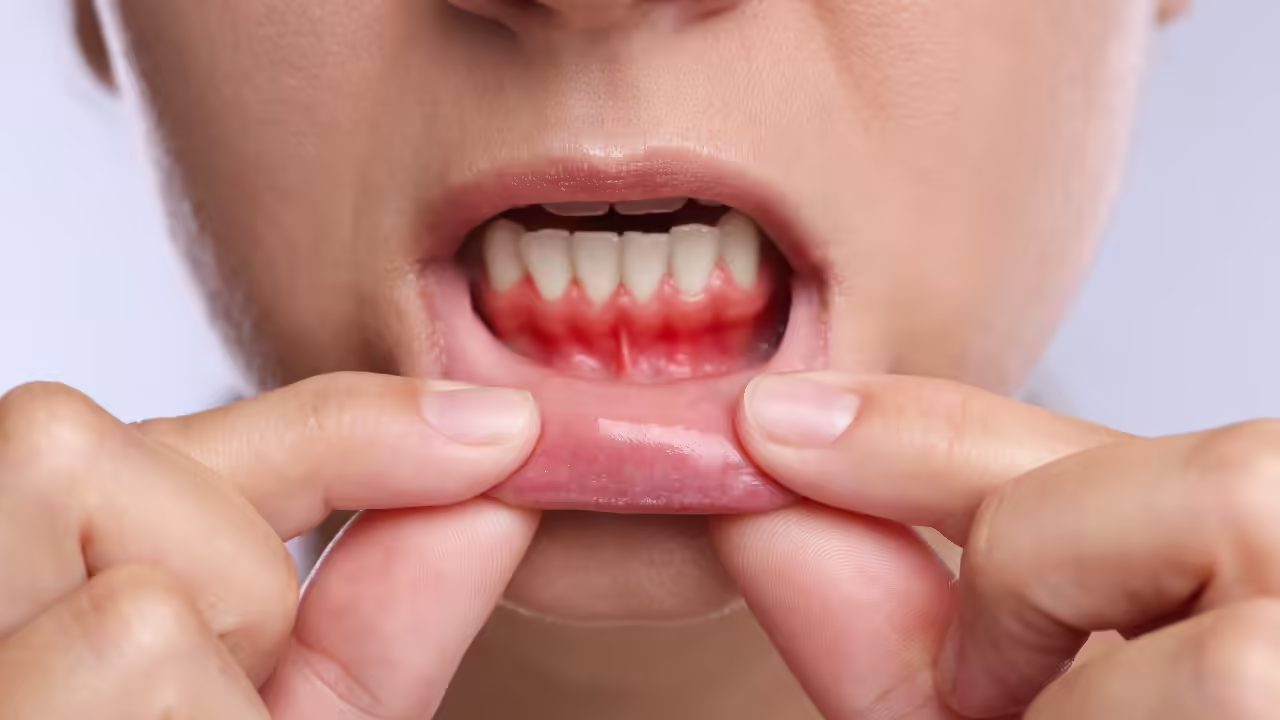
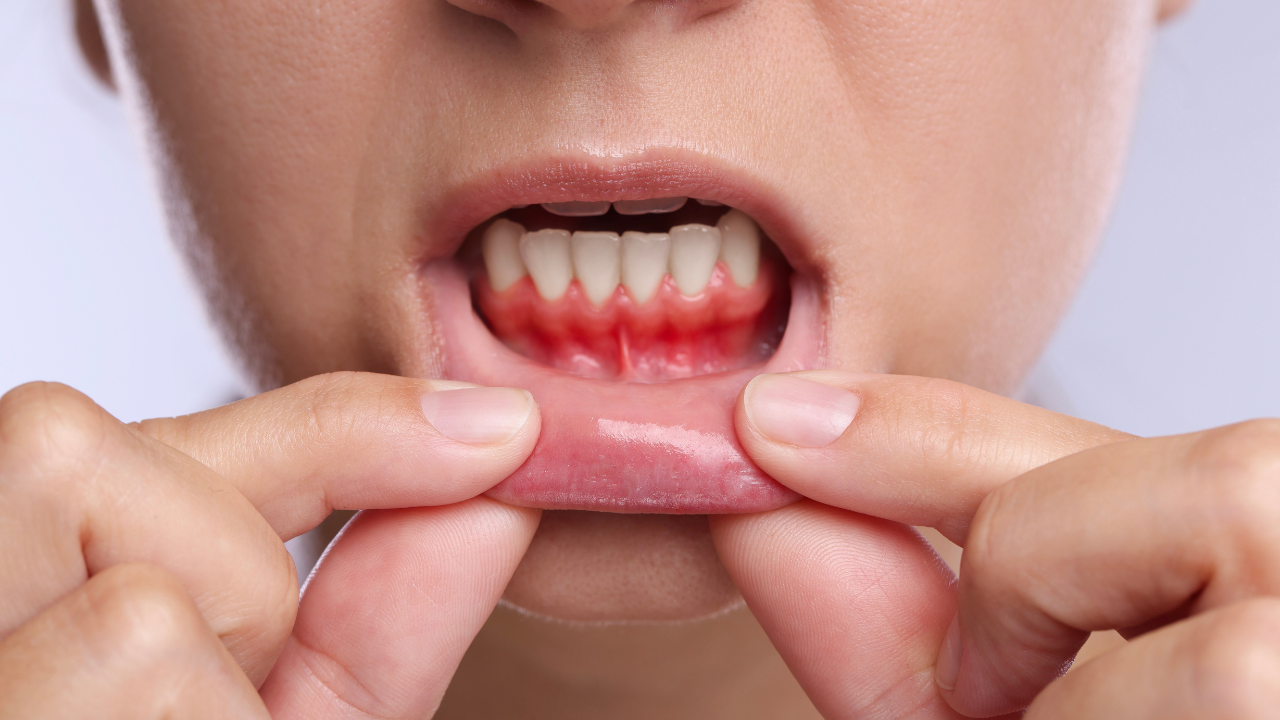
While most people associate bleeding gums with brushing habits, nutrition also plays a surprisingly important role.
Ms Aditi Prasad Apte, Senior Clinical Nutritionist at Aster RV Hospital, Bangalore, explains, “Bleeding gums while brushing are often seen as a dental issue, but really nutrition can matter a lot for gum health too. This happens when you miss certain vitamins and minerals, the gum tissues can turn weaker, the area can become more inflamed, and then it’s easier for the gums to bleed.”
One nutrient that receives particular attention is vitamin C.
“One of the big nutrients in here is vitamin C, it tends to support collagen production and tissue repair, like the body’s natural patching system. If vitamin C levels are low then gums might swell or start to feel sore.”
Vitamin C helps the body build collagen, a protein that keeps gum tissue strong and resilient. Research reviewed by Harvard Medical School found a connection between lower vitamin C levels and increased gum bleeding.
Foods rich in vitamin C include oranges, guava, amla, strawberries, broccoli and bell peppers.
Ms Apte also points to iron deficiency as another overlooked factor.
“An iron deficiency can cause pale gums that feel a bit more sensitive, and healing may take longer than normal too. So, adding iron-rich foods like green leafy vegetables, dates, legumes, jaggery, and lean proteins might help with oral wellbeing.”
About the Author