Scotland’s wildlife reserves recorded a major conservation milestone in 2025, as a five-year project restored more than 3,500 hectares of habitat across 11 sites. The LIFE 100% for Nature initiative, led by the Royal Society for the Protection of Birds (RSPB), combined technology with community-led conservation to improve conditions for threatened wildlife. Robot mowers and virtual fencing formed part of the methods used to manage landscapes, while local volunteers and partners contributed to the restoration effort. The RSPB said species such as choughs and capercaillie received a boost from the work. The project also supported employment, local businesses and volunteer participation, linking ecological restoration with community involvement.
Scotland restores more than 3,500 hectares across 11 wildlife reserves
The LIFE 100% for Nature project was a five-year conservation initiative focused on improving habitats across 11 RSPB nature reserves in Scotland. Its culmination in 2025 marked a significant stage in efforts to restore landscapes and support wildlife facing pressure from habitat loss and environmental change.According to the RSPB, the project restored more than 3,500 hectares of vital habitat. The organisation combined technological approaches with practical conservation work and community action to improve the condition of protected landscapes.The initiative formed part of wider efforts to strengthen biodiversity and create environments where wildlife can feed, breed and survive. The RSPB’s 2025 review presented the Scottish project as one of its major achievements during the year.
Robot mowers helped conservationists manage habitats
Robot mowers were among the technologies used during the Scottish conservation project. The RSPB identified the equipment as part of its approach to restoring and managing habitats across the participating reserves.Habitat management can involve controlling vegetation growth and maintaining landscape conditions that support particular species. The use of robotic equipment offers a way to incorporate technology into this work, alongside the involvement of conservation teams and local communities.The RSPB’s review does not provide technical details about the robot mowers, including their operating specifications, the precise areas they covered or the number of machines deployed. Their inclusion in the project demonstrates how conservation organisations are exploring technological tools alongside established land-management practices.
Virtual fencing introduced another conservation tool
Virtual fencing was another technology highlighted in the RSPB’s account of the project. The system is generally used to establish boundaries for livestock or land management without relying entirely on physical fencing.In conservation settings, such technology can help manage grazing and influence where animals move across a landscape. This can support efforts to maintain particular habitat conditions, depending on the needs of the site and the species present.The RSPB connected virtual fencing with its wider restoration work in Scotland. The organisation’s summary does not identify the specific reserves where the technology was used or provide details about the equipment’s configuration. Its role was presented as part of a broader combination of technology and practical conservation.
Choughs and capercaillie benefited from habitat restoration
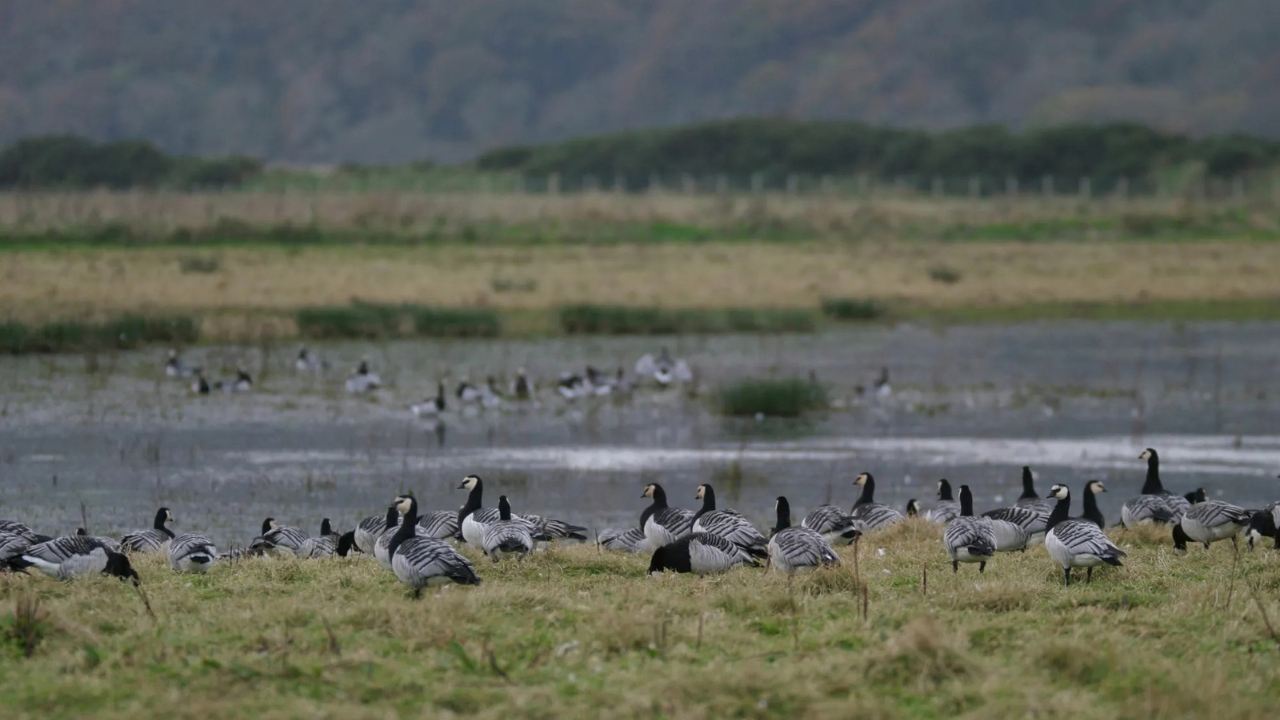
The RSPB specifically identified choughs and capercaillie among the wildlife that received a boost from the project. Both species are associated with conservation challenges, making habitat management an important part of efforts to support their populations.Choughs are members of the crow family and are associated with open landscapes, where they forage for invertebrates. Capercaillie are large woodland grouse that depend on suitable forest habitats and face significant conservation pressures in Scotland.The restoration of more than 3,500 hectares provided an opportunity to improve conditions across the reserves. The RSPB described the project as helping these species, while also highlighting the wider ecological benefits of habitat restoration.
Community action played a role in the project
The Scottish initiative did not rely solely on machinery and technological solutions. The RSPB said hands-on community action was an important part of the work, bringing together conservationists, volunteers and local participants.Community involvement can contribute to practical habitat management, monitoring and the long-term maintenance of restored landscapes. It can also strengthen local understanding of wildlife and encourage participation in conservation activities.The RSPB said the project inspired volunteers and supported wider involvement in nature conservation. This placed the restoration work within a broader model in which local people contribute to environmental projects alongside professional conservation teams.
Conservation work supported jobs and local businesses
Beyond its environmental objectives, the LIFE 100% for Nature project also generated reported social and economic benefits. The RSPB said the initiative created jobs and supported local businesses during its implementation.Conservation projects can involve a range of activities, including habitat management, equipment use, ecological monitoring and restoration work. These activities may create opportunities for local contractors, workers and service providers.The RSPB’s review highlighted these outcomes as part of the project’s overall contribution. It presented the initiative as an example of how investment in nature restoration can involve communities and support local economic activity.
Scotland’s restoration forms part of wider conservation efforts
The Scottish project was one of several conservation achievements featured in the RSPB’s 2025 review. Across its wider reserve network, the organisation reported work involving habitat restoration, land acquisition and species protection.The RSPB manages more than 200 nature reserves across the UK, covering approximately 160,000 hectares. These reserves provide habitat for more than 18,700 species, according to the organisation.The Scottish initiative therefore sits within a larger programme of conservation work. Its focus on habitat restoration, technology and community participation reflects the range of methods used to protect wildlife and improve the condition of natural environments.
What the project means for Scotland’s wildlife
The restoration of more than 3,500 hectares across 11 reserves represents a substantial expansion of conservation activity in Scotland. The use of robot mowers and virtual fencing shows how technology can be incorporated into habitat management, while community participation adds a human dimension to the work.The RSPB’s reported benefits for choughs and capercaillie underline the connection between landscape management and species conservation. Long-term monitoring will remain important for understanding how restored habitats develop and how wildlife responds over time.
About the Author