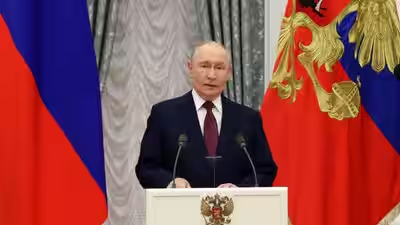
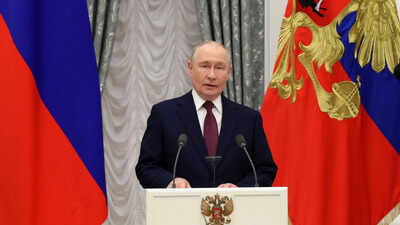
The US has urged several NATO allies, including Lithuania, Latvia and Estonia, to tone down their public warnings about the threat posed by Russia, cautioning European countries against rhetoric that could further strain relations with Moscow, according to a Reuters report.The messages, delivered by Pentagon officials during bilateral meetings in recent weeks, reflect the Trump administration’s concern that some European leaders’ statements about Russia could undermine continental security. Four people familiar with the discussions told Reuters that Washington had advised its allies to avoid publicly portraying Moscow as increasingly desperate or cornered as its invasion of Ukraine slows.Among the US officials conveying the message was Pentagon policy chief Elbridge Colby, who is also involved in an ongoing review of American troop levels in Europe. The Pentagon declined to comment on the reported exchanges. “Private conversations among allies are just that, so we will not comment on these allegations,” a Pentagon official told Reuters.Russian President Vladimir Putin has issued another warning to Europe, declaring that Moscow is prepared for a potential conflict even though it does not want a war.“We are ready, but we want no war with Europe,” Putin said, adding that countries seeking a confrontation should prepare for one. “And if things go too far, there will be no winners at all. Let no one forget that.”As reported by The Independent, Putin’s remarks followed a phone conversation with Finnish President Alexander Stubb and Norwegian Prime Minister Jonas Gahr Stoere on Tuesday. The two leaders had sought to influence Moscow’s position on the Ukraine conflict, stressing the importance of de-escalation and expressing continued support for Kyiv.Their decision to speak directly with Putin, however, drew criticism from other European leaders, who called for unity in dealing with Russia.Putin also warned against restrictions on navigation in the Baltic Sea, saying Moscow would respond to any challenge. He compared the possibility of disruption in the region to the situation in the Strait of Hormuz.
About the Author