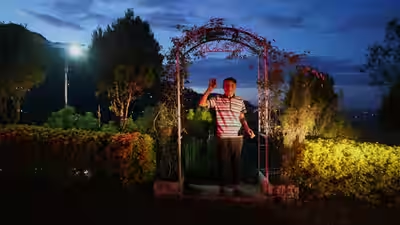
A decade after losing his wife, Mosenyii Yakhro continues to spend his mornings tending to the garden he created around her grave. What began as a personal tribute has gradually become a place where tourists and village children come to spend time.For most people, a grave is a place to visit occasionally to remember someone they have lost. But for 90-year-old Mosenyii Yakhro from Nagaland, remembering his wife has become part of his everyday life. Every morning, he tends to a garden that he began building around her grave, transforming the hillside burial spot into a place filled with flowers and greenery.Located in Kigwema village in Nagaland, the garden is now known as Mosen Viewpoint. Ten years after his wife’s death, what started as a deeply personal way of keeping her memory alive has also become a place that attracts tourists and children from the village.According to a report by the Associated Press (AP), Yakhro’s wife, Vivolheri, had chosen the spot in the village where she wanted to be buried even before her death. She was 80 when she passed away. Since then, her husband has devoted his mornings to looking after the garden that surrounds her resting place.
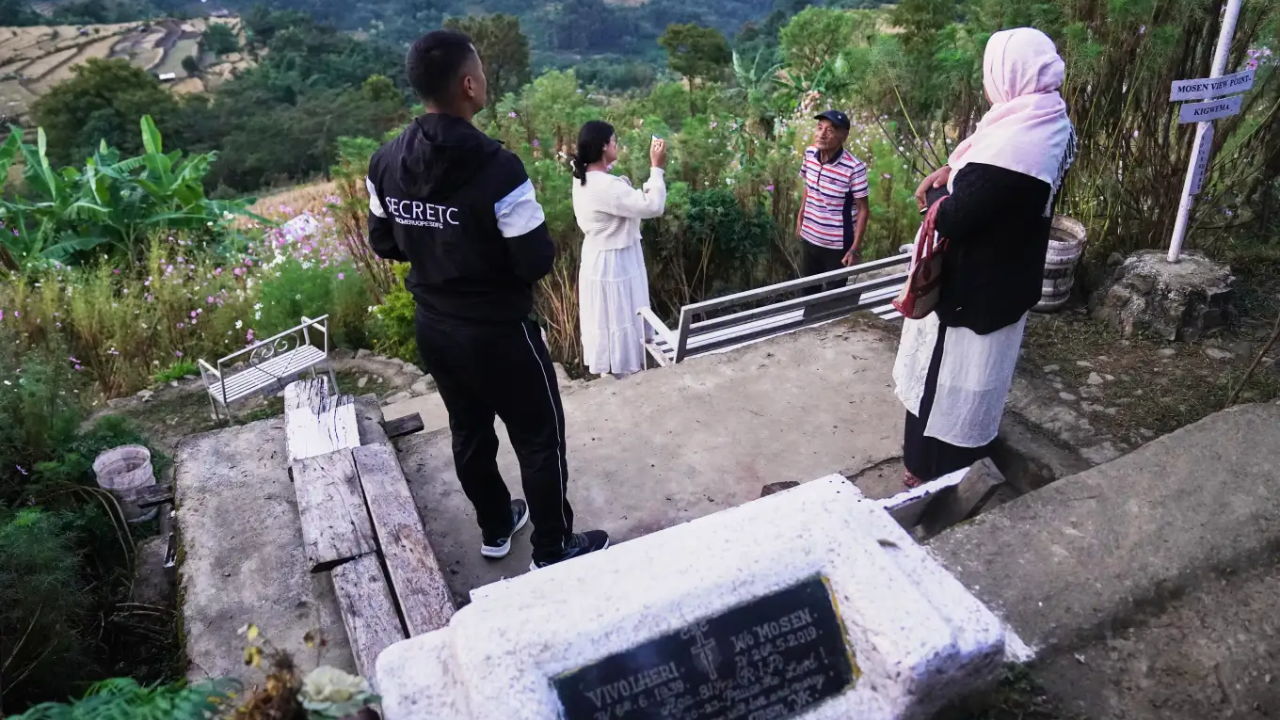
Photo courtesy: AP
A garden that keeps his wife’s memory alive
For Yakhro, the garden is more than a landscaped hillside. It is a place connected to the woman he shared his life with and a way of continuing to honour her.Speaking about his wife, he described her as a “good woman and a good wife”. He also recalled how much his grandchildren loved her.Over the years, the garden has taken on a life of its own. Visitors now come to see the flowers and enjoy the setting, while children from the village also spend time there.The garden overlooks the hills and terraced rice fields of Nagaland. Cosmos flowers are among the plants growing there, adding colour to the hillside. A weathervane marking directions to neighbouring villages is also part of the viewpoint.Despite the attention the place receives, Yakhro remains closely involved in its upkeep. He is particular about the plants growing there, even expressing some frustration over the cosmos flowers becoming too tall and covering the other plants.His attachment to the garden is evident in the way he speaks about the people who visit it. “I feel very happy. I enjoy knowing their happiness,” he told AP, referring to those who come to see the place.
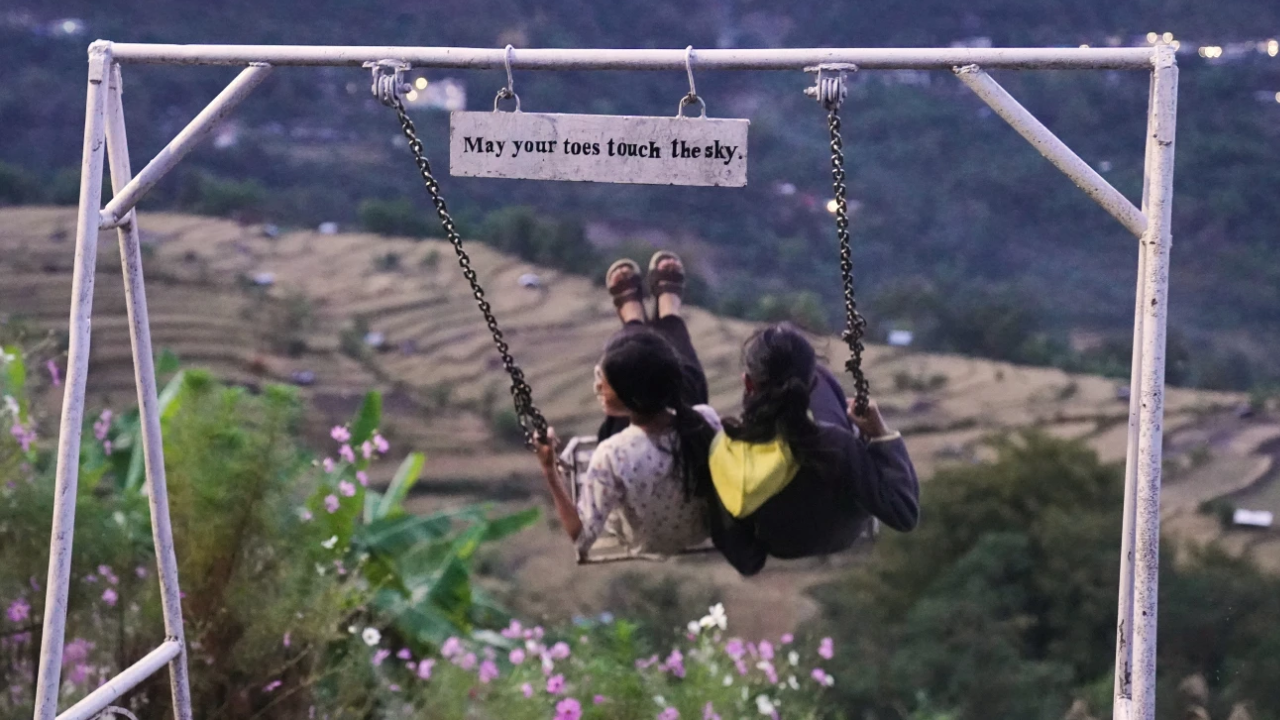
Photo courtesy: AP
A 90-year-old with an interest in reading and history
There is more to Yakhro than the garden that carries his name. Despite having studied only until the sixth grade, he has continued to develop his knowledge through reading.AP reported that he spent considerable time in a library while working as a peon, or office assistant, in a government office decades ago. He recalled, “What I liked I read up in the library.”At 90, his memory is also remarkably sharp. He can recount seeing Japanese soldiers arrive in his village during World War II, which is referred to as the Japanese war in the region. He remembers details and dates from that period, often surprising those listening to him.
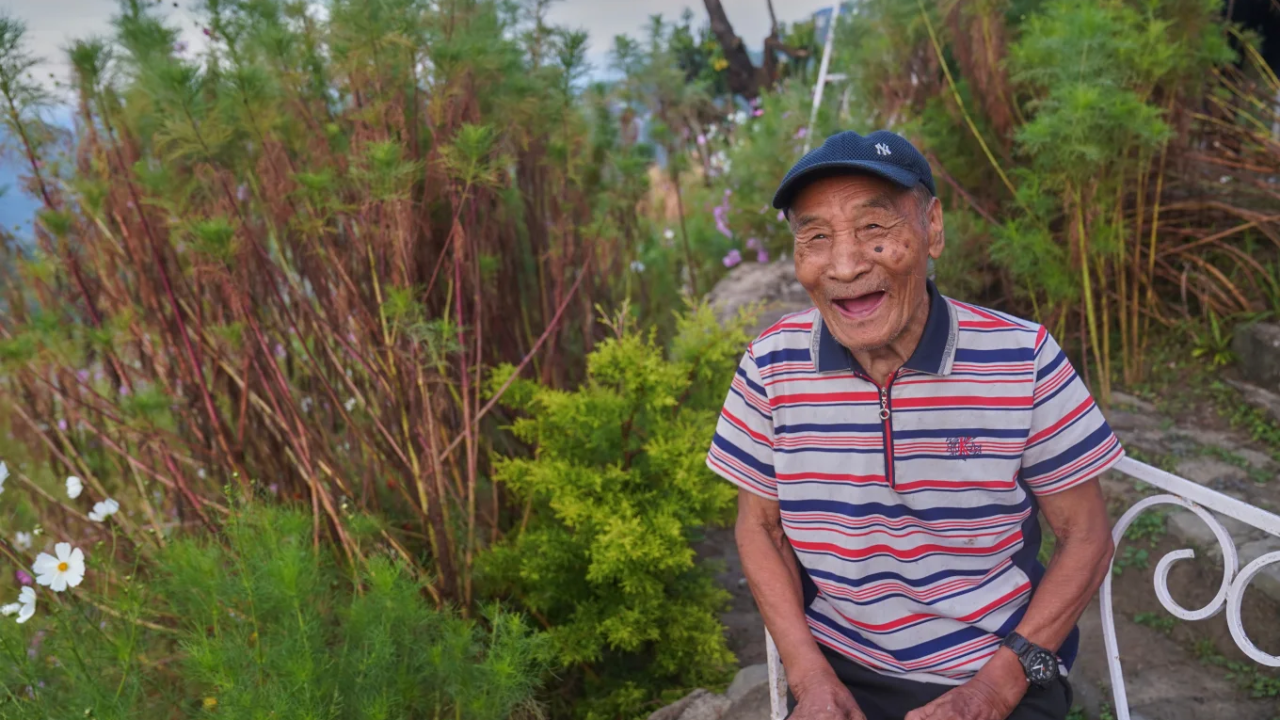
Photo courtesy: AP
A place where the family comes together
The garden has also become an important gathering place for Yakhro’s family. Every year, on January 15, the entire family comes together there to celebrate his birthday.For a man who has spent a decade caring for the place where his wife rests, the garden appears to hold a special place in his own understanding of the years ahead.When asked about his own final resting place, he responded with a smile: “My burial place will also be here.”Today, Mosen Viewpoint is visited by people who may arrive to admire the flowers, enjoy the hillside setting or simply spend some time in the village. But at its centre remains a story that began with a husband’s decision to keep caring for the place his wife had chosen.What has grown around her grave is now more than a memorial. It is also a garden where children play, visitors stop and a family gathers every year – while Yakhro continues the daily ritual of looking after it.
About the Author