 Aj Mix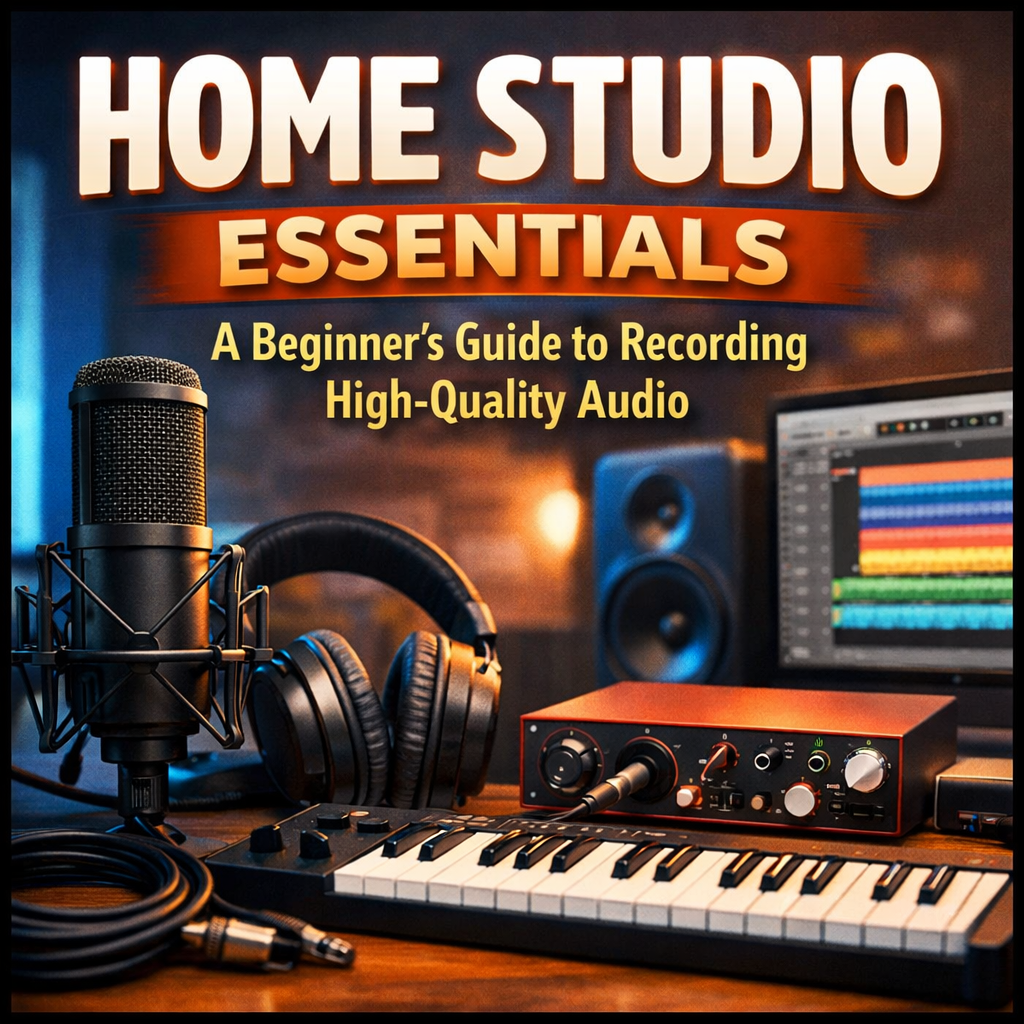
Are you an independent artist looking to share your voice with the world on AjMix? In the past decade, the barrier to entry for recording high-quality audio has drastically lowered. You no longer need to book expensive studio time to produce a track that competes on a global scale.
Building a home recording studio doesn't have to break the bank. Today, we're breaking down the absolute essentials you need to start producing, mixing, and mastering your own music right from your bedroom.
1. A Reliable Computer and DAW At the heart of any modern studio is a reliable computer and a Digital Audio Workstation (DAW). Your DAW is the software environment where you will record, edit, and arrange your tracks. Popular choices include Ableton Live, FL Studio, Logic Pro X, and Pro Tools. If you are just starting out and on a tight budget, software like GarageBand, Audacity, or Reaper offer incredible value with powerful features that rival their fully-priced counterparts.
2. The Right Audio Interface An audio interface is the bridge between your analog recording gear (like microphones and instruments) and your computer. It converts analog signals into digital data and vice-versa. For a beginner setup, look for a 2-in/2-out interface. The Focusrite Scarlett 2i2 or the PreSonus AudioBox USB 96 are industry standards that provide clear, low-latency recording capabilities.
3. Choosing the Perfect Microphone Microphones generally fall into two categories: dynamic and condenser.
- Dynamic Microphones: Excellent for recording loud sounds like drums or electric guitar amps. They are also rugged and less sensitive to background noise. The Shure SM58 is legendary in this category.
- Condenser Microphones: Highly sensitive and perfect for capturing the nuances of vocals and acoustic instruments. They require phantom power (usually provided by your audio interface). The Audio-Technica AT2020 or the Rode NT1-A are superb choices for a home studio.
4. Studio Monitors and Headphones A common mistake beginners make is mixing their tracks using standard consumer speakers or Bluetooth earbuds. These artificially boost bass and treble frequencies. You need studio monitors (speakers designed to provide a completely "flat" frequency response) so you can hear your mix exactly as it is. Yamaha HS5s or KRK Rokit 5s are great entry-level monitors. Pair them with a good set of closed-back studio headphones (like the Audio-Technica ATH-M50x) for tracking vocals without sound bleeding into your microphone.
5. Acoustic Treatment Basics You can buy the best microphone in the world, but if your room sounds bad, your recording will sound bad. You don't need to completely soundproof your room, but you do need acoustic treatment to control reflections and echoes. Start by placing bass traps in the corners of your room and hanging acoustic panels on the walls directly to your left and right. Even household items like heavy curtains, rugs, and bookshelves can significantly improve your room's sound.
Recording at home is an iterative process. Start small, focus on learning your gear intimately, and consistently upload your tracks to AjMix to share your progress.