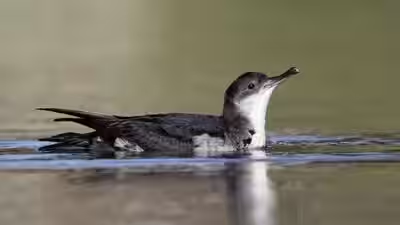
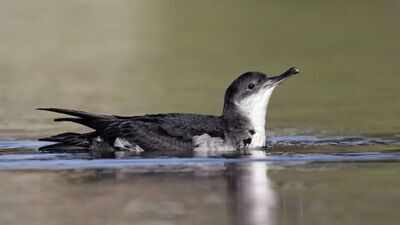
In 2013, a major conservation effort began on St Agnes and Gugh in the Isles of Scilly to remove brown rats that had been harming nesting seabirds. According to the Isles of Scilly Wildlife Trust, the rats had arrived on the islands following shipwrecks in the 18th century and had become a threat to birds that nested in burrows, including Manx shearwaters and European storm petrels.For this, the Isles of Scilly Seabird Recovery Project was started which brought together local residents, conservationists and wildlife specialists who worked with Wildlife Management International Ltd (WMIL) to look for rat nests and signs of activity before the removal programme began.The intensive baiting operation started in November, 2013. Bait was placed across the islands and monitored every day, with teams checking how much was being taken. By the end of the month, the last evidence of rats had been recorded, but further monitoring continued to make sure the animals had not survived or returned.The recovery of the seabirds has since been tracked through regular surveys. In the latest 2025 monitoring data, St Agnes and Gugh recorded 225 apparently occupied breeding sites (AOBs) for Manx shearwaters, the highest number recorded there. Before the rat removal project, the number of Manx shearwater pairs stood at 22.
Rats posed threat
Manx shearwaters and European storm petrels are particularly vulnerable to rats because they breed in burrows. Nests can be unsuccessful when rats are present, making invasive predators a major barrier to the recovery of these seabird populations.The islands are home to 13 species of breeding seabirds, with about 17,000 individual birds. The UK holds most of the world’s population of both European storm petrels and Manx shearwaters.Before the project, seabird numbers had been declining for years. The removal programme therefore focused on eliminating the brown rats from St Agnes and Gugh rather than simply reducing their numbers. The project says this approach has been used on more than 700 islands worldwide.
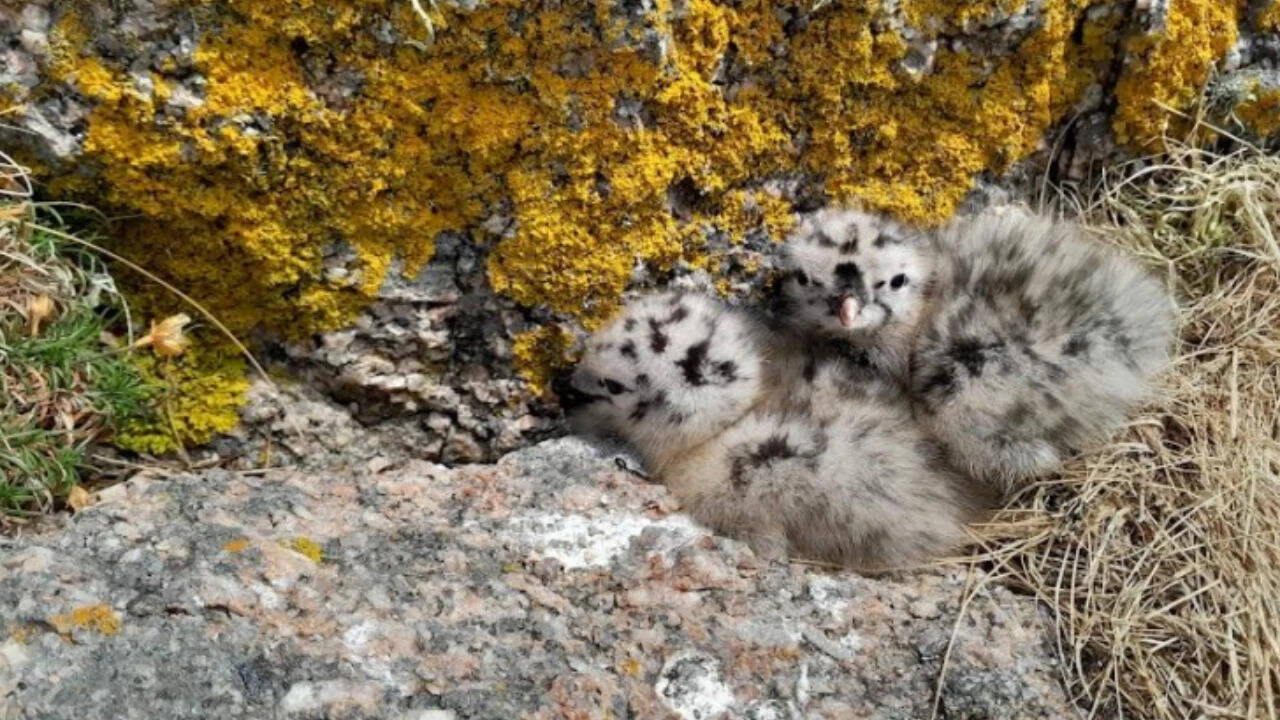
Lesser black-backed gull chick at a coastal sub-colony on Gugh
Seabird breeding increased
The first signs of recovery appeared soon after the rats were removed. Conservationists reported that Manx shearwaters and European storm petrels successfully bred on the islands for the first time in living memory. More than 40 chicks of the two species were recorded during the first two years following the removal.The latest monitoring shows that the recovery has continued for Manx shearwaters. There were 22 Manx shearwater pairs before the 2013 project. More than 10 years after rat eradication, there are now almost 200 pairs, while the 2025 monitoring recorded 225 apparently occupied breeding sites.The 2025 survey also found changes in other seabird populations on St Agnes and Gugh. The lesser black-backed gull colony increased slightly to 491 pairs, its highest level since 2014. The kittiwake colony also had 32 apparently occupied nests, which was more than the previous year, although observed breeding success was lower. Signs of cat predation of storm petrels were also recorded.
Rat-free islands
St Agnes and Gugh have remained rat-free since the eradication carried out during the winter of 2013-14. Regular monitoring continues to check for any signs that rats have returned. The islands were officially declared rat-free in early 2017 after further checks. A biosecurity detection dog also visited the islands in February 2025 as part of checks for any returning rats.The islands also faced a possible mouse issue during the winter of 2024. Probable signs were found in chicken feed, prompting four months of monitoring. However, no further signs were found and the team concluded that the mouse had probably died or left before the chicken feed arrived on St Agnes.The success on St Agnes and Gugh has also led conservation groups to consider rat eradication on other islands. A new project is being developed for St Martin’s, Tresco, Bryher and about 21 nearby uninhabited islands. Because the islands are closely connected, the proposed operation would need to take place across the whole area at the same time. Since 2025, the team has also held co-design workshops and open days to involve island communities in planning the work.
About the Author