Becoming a parent is probably one of the happiest moments of one’s life. The moment you become a parent, your own childhood starts to look different. You may not remember your first step but you can’t forget the times you needed a hug but did not ask for it, the words you wanted to hear but never did, or the moments when you felt alone even when your family was around. All of a sudden, you are not just looking back at your childhood but silently planning the childhood you want to give your own child.And for someone like Prince Harry, who lost his mother Princess Diana when he was a young boy, becoming a father brought some of these feelings into main focus. The Duke of Sussex lost his mother when he was only 12. He has spoken in length about how grief followed him into adulthood and how therapy helped him understand his emotions.Prince Harry, now a father of two
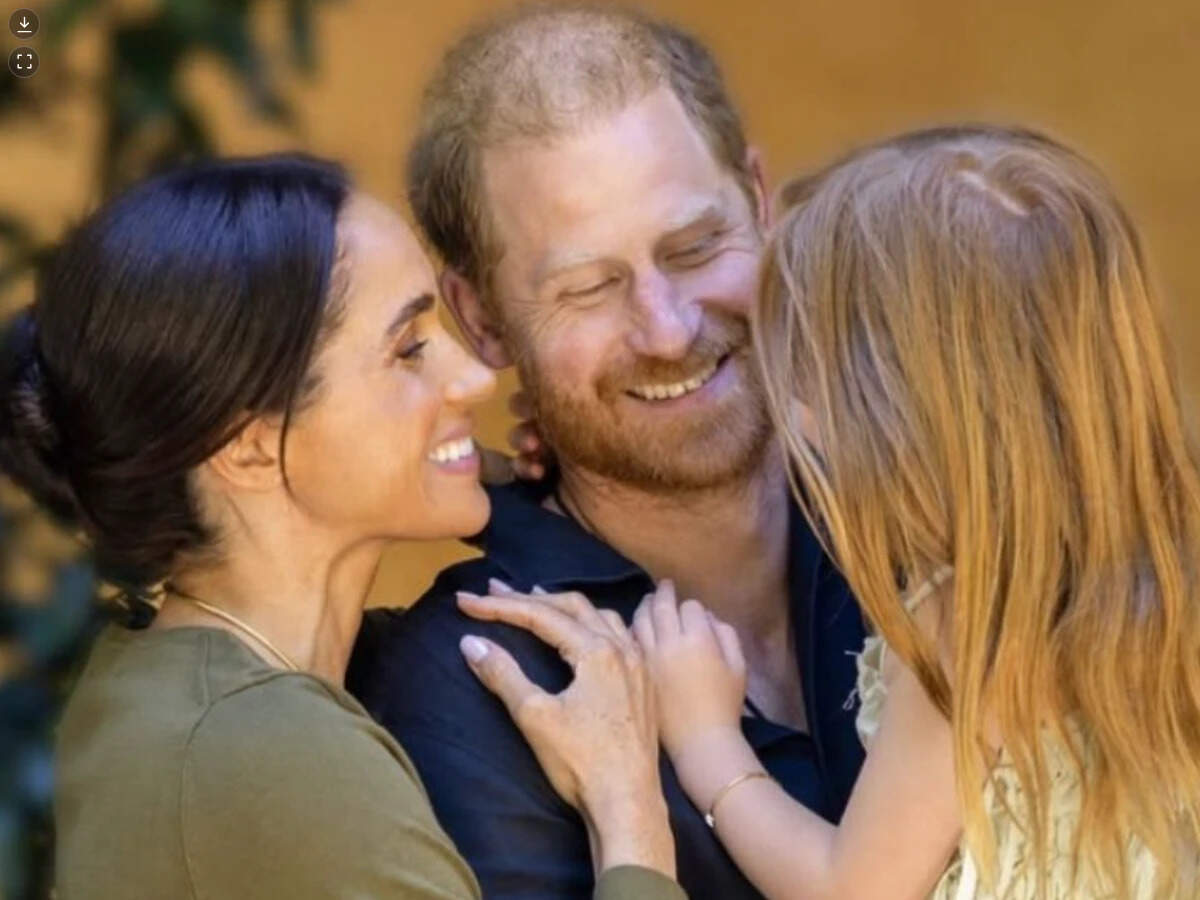
Prince Harry and Meghan Markle revisit Nottingham in first joint UK appearance since return
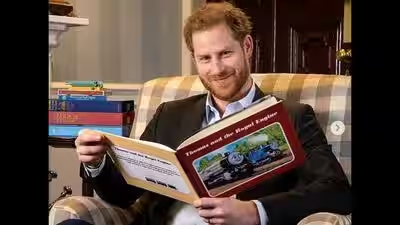
Prince Harry is now a father of two young kids, Prince Archie and Princess Lilibet. He has been reflecting on how unresolved pain can affect a person’s life and relationships.In his October 2026 interview with GQ and his new MasterClass, Redefining Grief: Building Resilience Through Loss, Harry was seen again discussing the subject: what happens when a child experiences a painful loss but does not know how to process it. His message is relevant to parents who want to make sure their kids do not grow up carrying the same emotional wounds.‘Unprocessed grief doesn’t stay in the past’
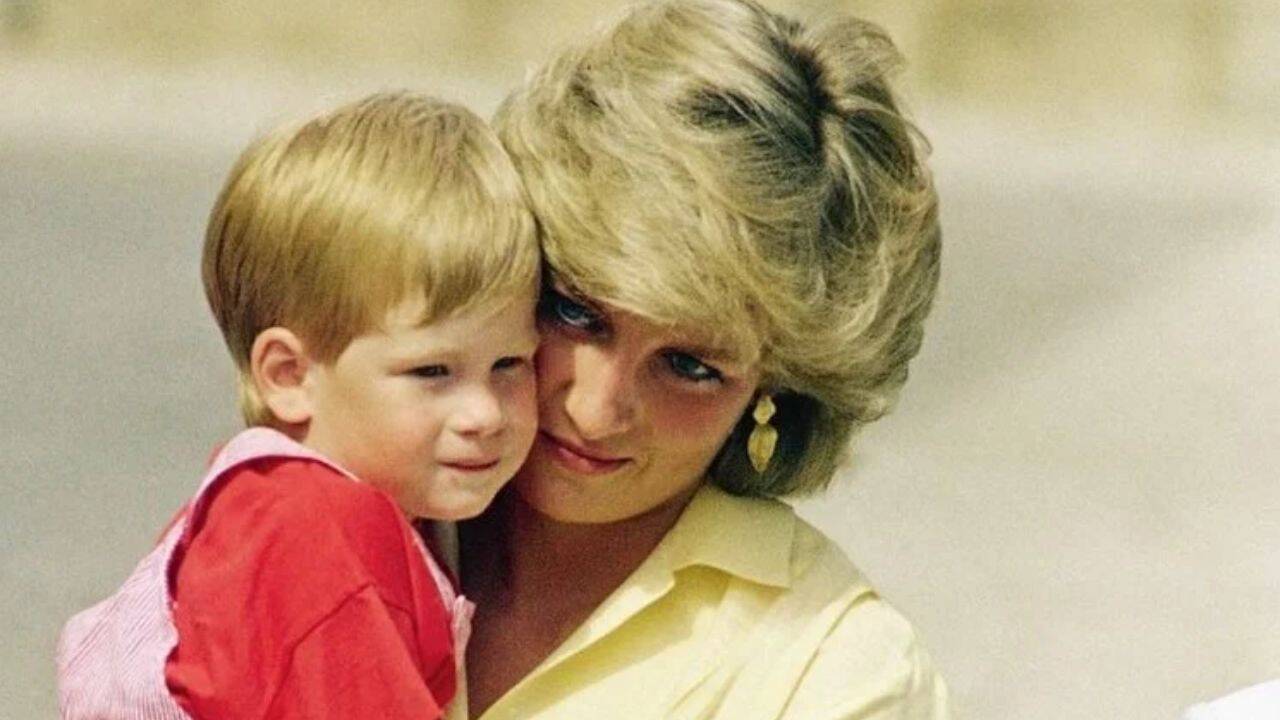
Prince Harry with his mother Princess Diana (Instagram/@princeharryofengland)
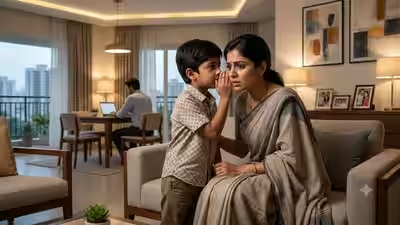
Harry was only 12 when his mother died in a car crash in Paris in August 1997. It is a painful memory for him. Overnight, he lost his loving mother while the world watched the royal family’s grief unfold in public.But kids do not always process such a grave loss or understand loss in the same way adults do. Sometimes, they cannot find the words to explain what they feel. Sometimes, they return to playing or get busy with their friends because they don’t yet know the intensity of pain. And sometimes, they learn to say they are fine because that seems easier than explaining what is happening inside them.Harry has described how he spent years pushing his feelings aside. For a long time, he struggled to speak about his mother’s death and did not fully understand how much it had affected him. In his latest MasterClass, he reflects on how unprocessed grief can follow a person through life. He has also spoken about spending years giving people the impression that he was fine, even when he was emotionally numb.What helped him eventually was therapy.But through his experience, he raised an important question for parents: when a child stops talking about something painful, does that mean the child has moved on?Well, not necessarily.A kid’s reaction may not tell it all

Kids reaction can be completely different (Canva)
A child may stop asking about a grandparent who died, appear rather cheerful after a family separation or go back to school soon after a heavy experience or a difficult phase. But it certainly does not mean the child has forgotten what happened. Children often move in and out of grief. Their understanding of a loss can change as they grow older.Kids should not be pressured to talk before they are ready. They need the reassurance that they can come back to the subject whenever they need to or when they feel they are ready.Becoming a father made him look at his own childhood differentlyIn his interview, he explained that becoming a parent makes you look back at your own upbringing and ask what you have inherited from your parents, what you want to carry forward and what you want to leave behind.It is a question many parents quietly ask themselves.A father who grew up in a home where emotions were rarely discussed may struggle to tell his child that it is okay to cry. A mother who was expected to be strong all the time may find it difficult to admit when she feels overwhelmed. Parents who were punished for making mistakes may catch themselves reacting harshly when their own children do something wrong.Often, these reactions are not planned. They are familiar ways of responding, learned long before a person becomes a parent. Harry has also spoken about wanting to break this cycle of pain. In a 2021 conversation on the Armchair Expert podcast, he said he did not want the suffering he had experienced, or the suffering his parents might have experienced, to be passed on to his children.And breaking the cycle begins when parents recognise their own reactions. It means pausing before shouting, apologising after an unfair response and allowing kids to express feelings that adults may have been taught to hide.Why children need parents who can talk about feelings

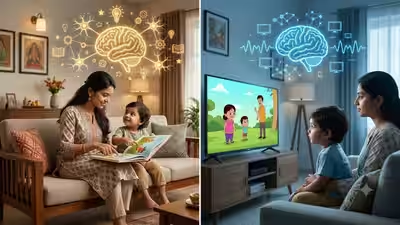
Talking to your kids is very important (canva)
For many families, particularly where children are expected to be obedient and resilient, crying is often discouraged. The intention may be to comfort the child or help them move on. But the child may understand the message differently: my feelings are not important, or I should hide them to make the adults around me happy.Harry’s experience is a reminder that emotional silence does not always mean emotional healing. Parents do not need to have all the answers when a child is upset. Sometimes, sitting beside them and saying, “I can see that you’re sad. Do you want to share with me what happened?”Children also learn from watching adults. When parents admit that they are sad, explain their feelings in an age-appropriate way and seek help when they need it, they show children that difficult emotions are a normal part of life.Harry made a similar point in his recent interview, speaking about how becoming a father has helped him feel more emotionally connected to his children. He also emphasised that vulnerability is a strength, not a weakness.Healing does not mean forgetting the past
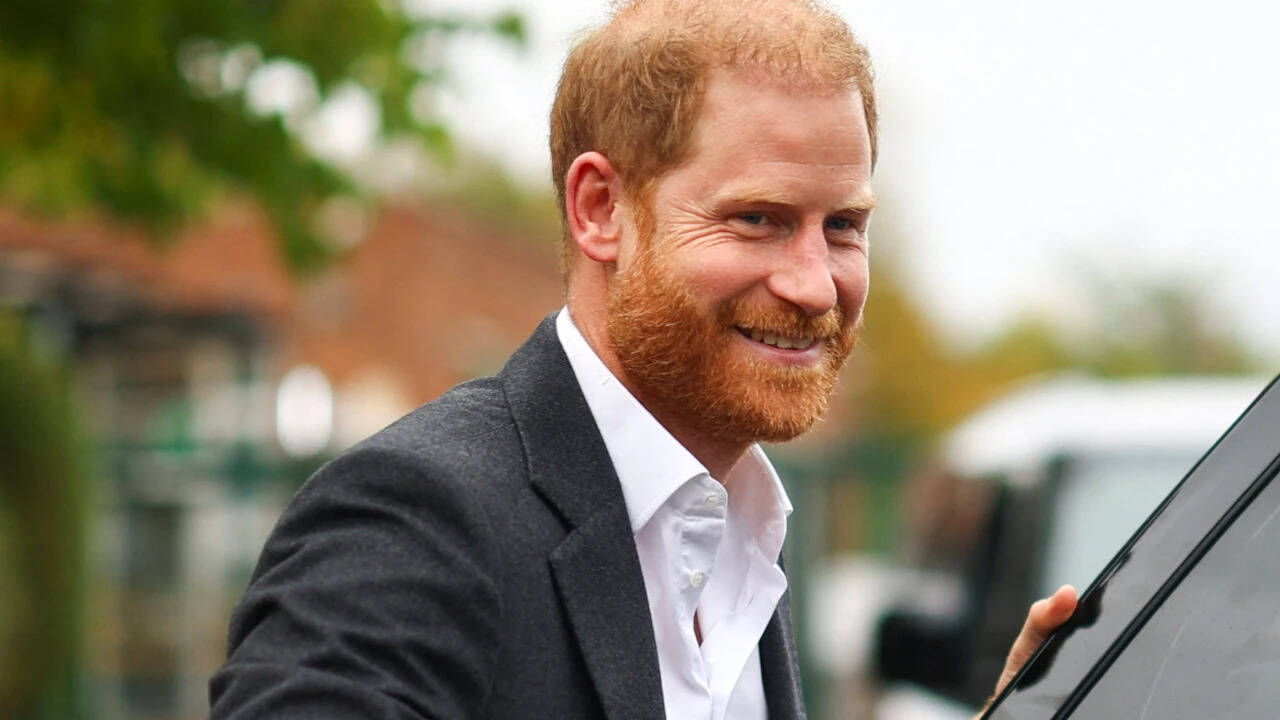
He called ‘reconciliation’ the “most important thing” but some “don’t want it”
Harry has spoken about worrying that moving forward might mean losing his connection with his mother. With time and therapy, he began to understand that he could carry his mother’s memory with him without allowing grief to hold him back.While no parent can promise a perfect childhood, they can ensure to be available when their kids need them. There sure will be difficult days, mistakes and moments of frustration. What matters is what happens afterwards.Harry’s story is also a reminder that childhood experiences can stay with us long after childhood ends.
About the Author