Across Rajasthan, there are cities associated with lakes, palaces, deserts and ancient trade routes. Jodhpur carries a different identity. Set on the edge of the Thar Desert, it spends much of the year under clear skies and strong sunlight, a feature that earned it the title of the Sun City of India. Yet the nickname tells only part of the story. Behind it lies a city of old fortifications, royal residences, crowded markets and neighbourhoods washed in shades of blue. Founded in the fifteenth century and shaped by generations of Rathore rulers, Jodhpur remains one of Rajasthan’s most recognisable destinations, where everyday life unfolds against a backdrop of sandstone walls, temple spires and desert landscapes.
Why is Jodhpur called the sun city of India
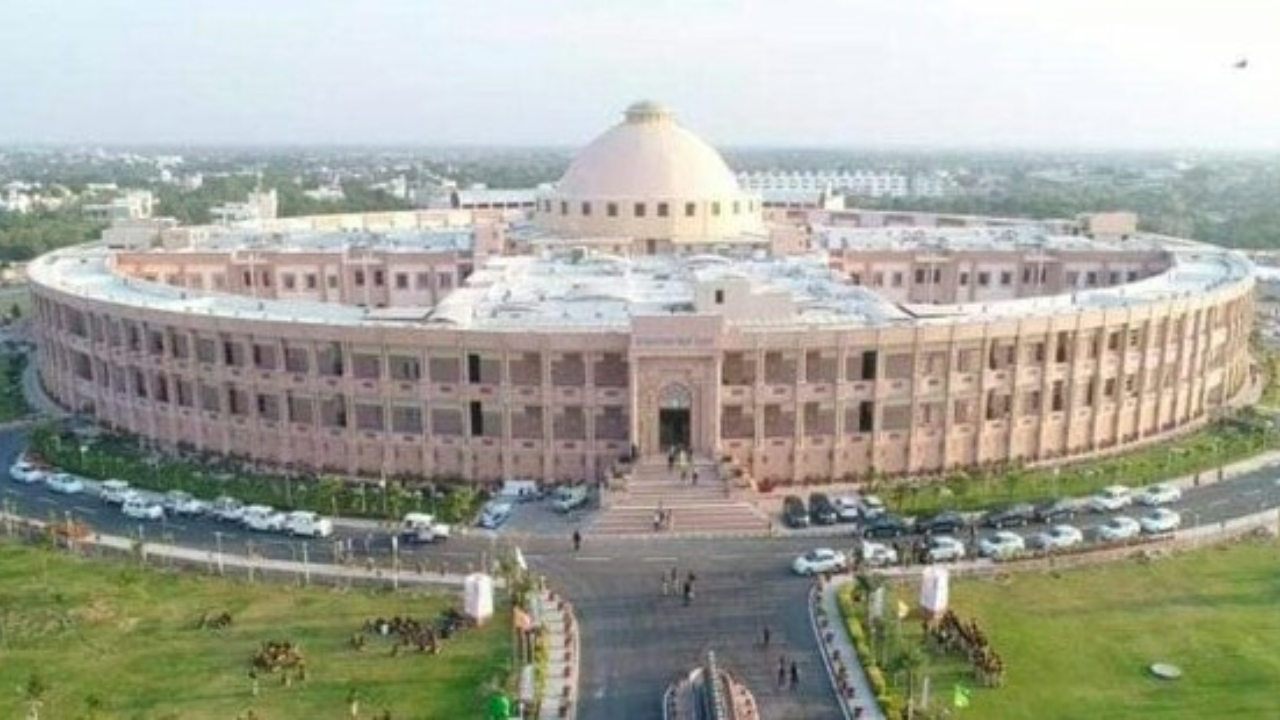
pc:wikipedia
According to the Jodhpur Development Authority (JDA), Government of Rajasthan, the name comes from the city’s climate. Jodhpur experiences bright sunshine through much of the year, with long stretches of dry weather typical of western Rajasthan. Sitting near the Thar Desert, it receives abundant sunlight in every season, giving rise to the nickname that has followed it for decades.Visitors often arrive expecting desert scenery and warm weather. What they discover is a city where sunlight seems woven into the architecture itself. The golden tones of forts, palaces, and old stone buildings change throughout the day, creating different moods from sunrise to sunset in the city of blue houses.The history of Jodhpur: From Rao Jodha to the Rathore KingdomJodhpur traces its origins to 1459 when Rao Jodha established the city as the capital of the Rathore kingdom of Marwar. Its position along important trade routes helped it grow into a prosperous centre for commerce and craftsmanship.The city’s history remains visible in its architecture. Massive gates, fortified walls and royal residences reflect centuries of political influence and regional power. Even today, reminders of the former kingdom appear throughout the city, from monuments dedicated to rulers to museums preserving royal collections.
Mehrangarh Fort: Jodhpur’s most iconic landmark
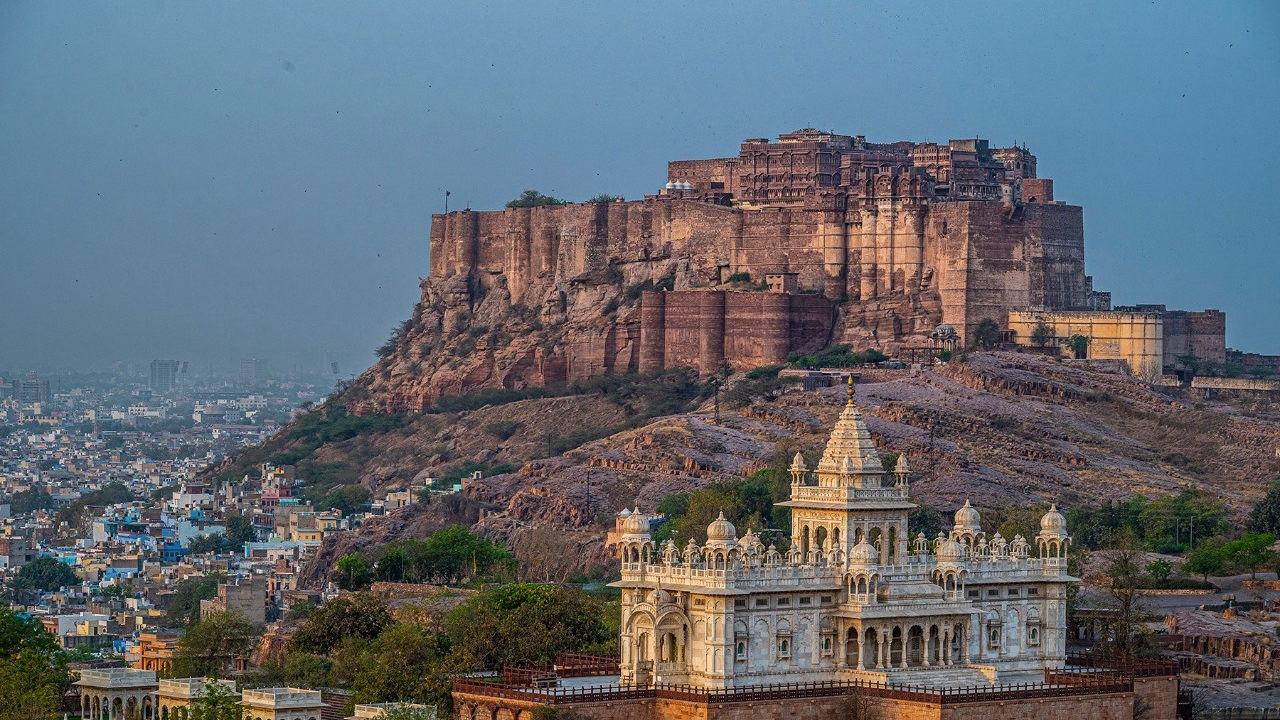
pc: wikipedia
No structure is more closely linked with Jodhpur than Mehrangarh Fort. Rising above the city on a rocky hill, the fort dominates the skyline and can be seen from almost every part of town. Inside are palaces, courtyards and galleries displaying artefacts connected to Marwar’s royal past. Intricately decorated rooms such as Moti Mahal and Phool Mahal provide a glimpse into the lifestyle of the rulers who once governed the region.The views are just as memorable. Looking out from the fort walls, visitors can see the spread of blue houses below and the desert landscape stretching beyond the city limits.
Umaid Bhawan Palace: A symbol of Jodhpur’s royal legacy
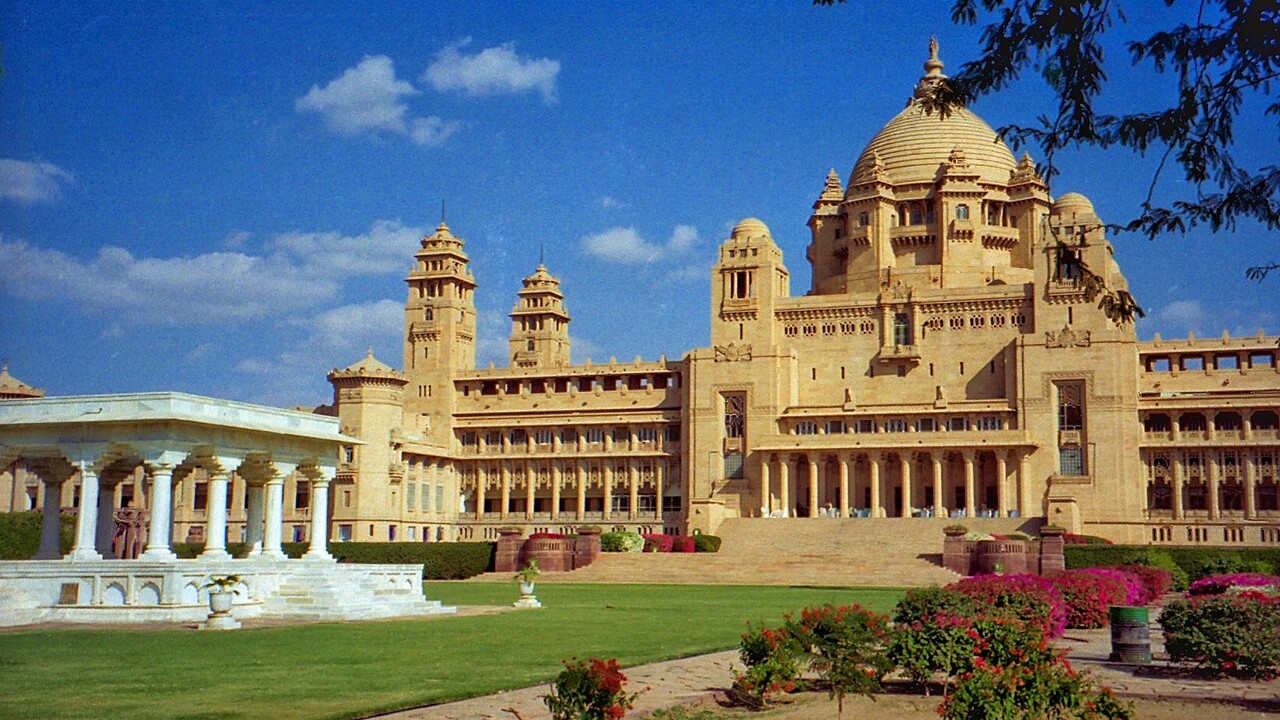
pc: wikipedia
While Mehrangarh belongs to an earlier era, Umaid Bhawan Palace reflects a much later chapter in Jodhpur’s history.Ministry of Tourism’s Incredible India portal reports it was constructed during the twentieth century, combining Indian and European influences in its design. Large domes, sweeping staircases and expansive gardens give it a distinct character compared with Rajasthan’s older forts.Part of the palace remains a royal residence, while other sections function as a museum and heritage hotel. The building stands as one of the most recognisable symbols of Jodhpur’s royal legacy.
Beyond the forts and palaces: More places to explore in Jodhpur
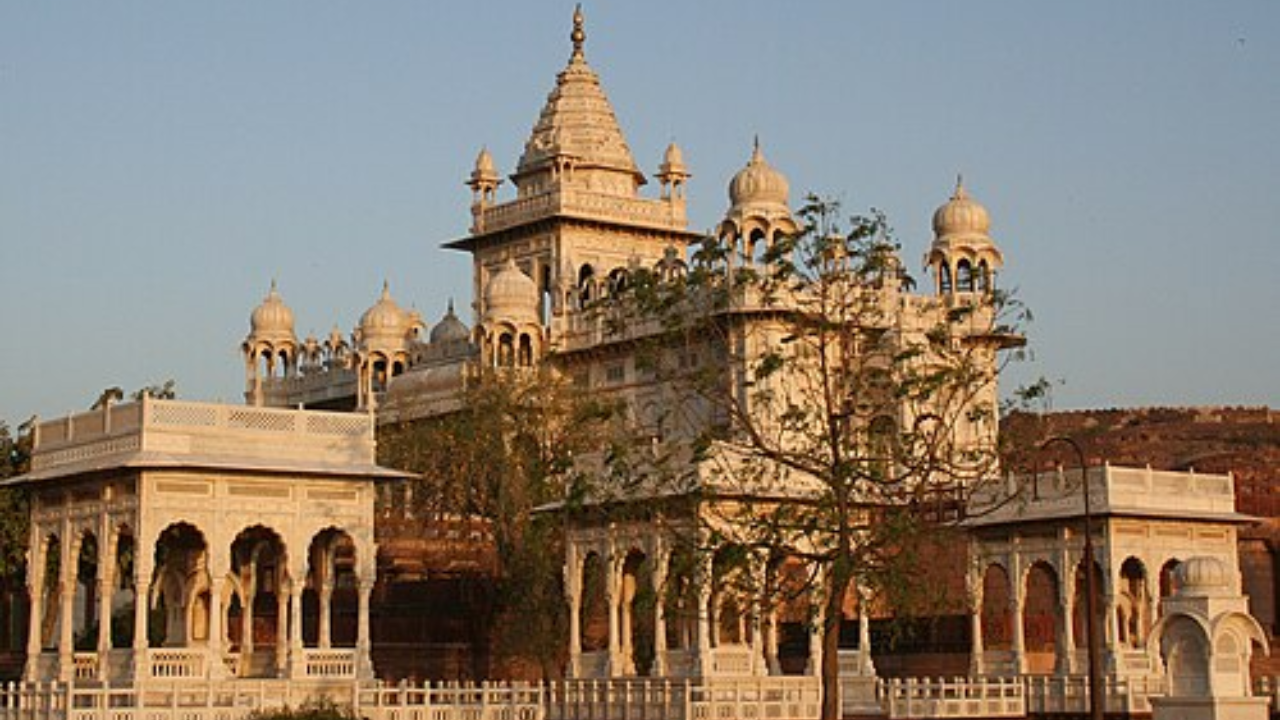
pc: wikipedia
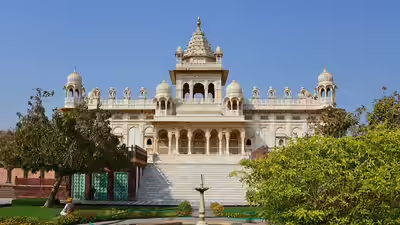
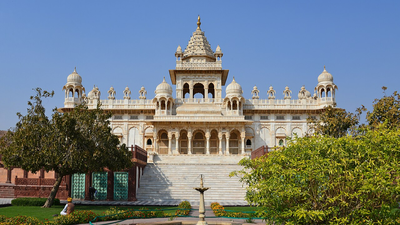
Several attractions sit beyond the city’s two most famous landmarks. Jaswant Thada, built in memory of Maharaja Jaswant Singh II, is known for its delicate marble work and peaceful setting. Nearby, Mandore Gardens preserve traces of the region’s earlier capital through temples, cenotaphs and historic structures.Nature lovers often head to Rao Jodha Desert Rock Park, which showcases native desert vegetation and walking trails beneath the fort. Religious sites such as Chamunda Mata Temple and Mandaleshwar Mahadev Temple continue to attract worshippers as well as visitors interested in local traditions.
Inside Jodhpur’s famous markets and craft industry
Around the Clock Tower and Sardar Market, traders sell everything from textiles and jewellery to spices and handicrafts. The atmosphere can be hectic, particularly during busy periods, but that is part of the experience. Small workshops and family-run businesses remain an important part of local commerce.The city is also known for furniture making, marble products, glass bangles, carpets and traditional crafts that have been passed down through generations.
Jodhpur’s cultural calendar: Festivals, music and dance
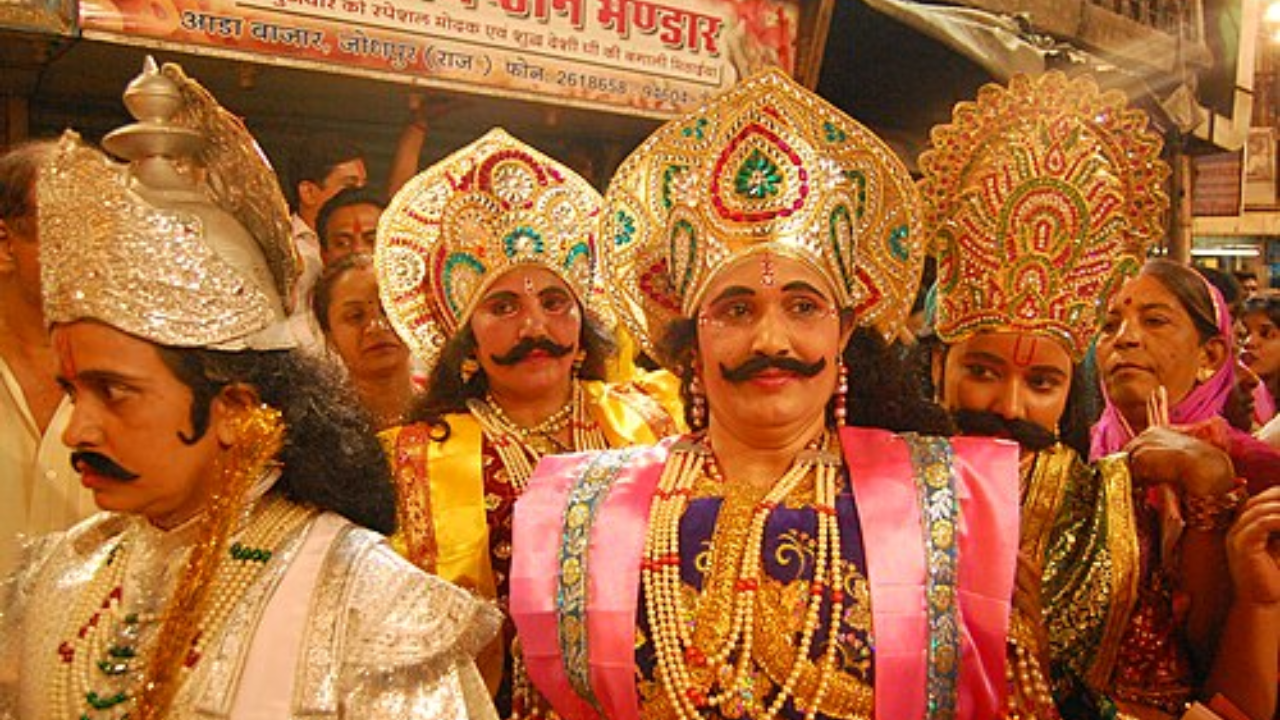
pc: wikipedia
Throughout the year, Jodhpur hosts festivals that reflect both religious customs and regional culture. According to the JDA, Government of Rajasthan, events such as Gangaur, Holi, Diwali and Nag Panchami bring colour and activity to the city. The Marwar Festival, closely associated with the region, celebrates local folk traditions through music and dance performances.Traditional performances often continue into the evening, offering visitors an opportunity to experience the sounds and rhythms that have long been associated with Rajasthan’s cultural heritage.
From pyaaz kachori to makhaniya lassi: Jodhpur’s iconic flavours
Food forms an important part of any visit. According to JDA, street stalls and local eateries serve regional favourites such as pyaaz ki kachori, mirchi bada and makhaniya lassi. Traditional meals often include dal baati churma, gatte ki sabzi and ker sangri, dishes shaped by the ingredients available in Rajasthan’s dry climate.Sweet dishes are equally popular. Ghevar, malpua, mawa kachori and laddus are commonly found in shops across the city, especially during festival seasons.
Jodhpur and the Thar Desert: A gateway to Western Rajasthan
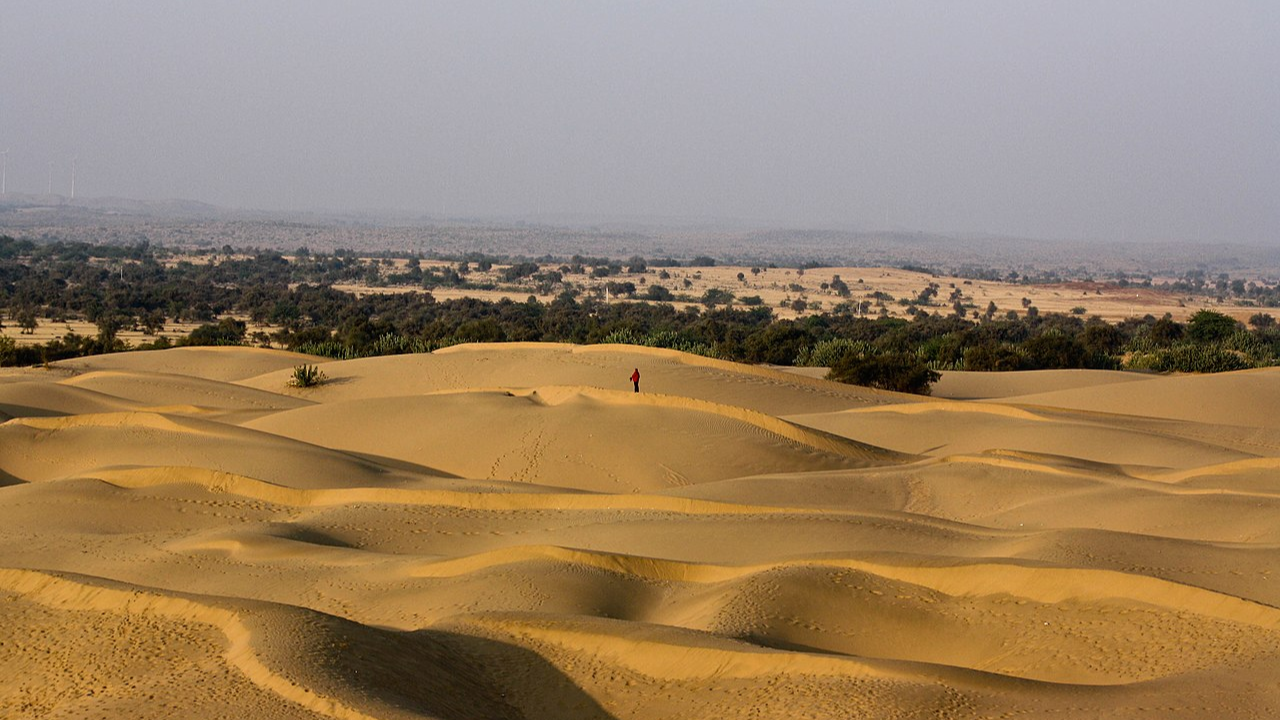
pc: wikipedia
Jodhpur occupies a strategic position on the edge of the Thar Desert and is often considered an entry point for travellers exploring western Rajasthan. Its transport connections by air, rail and road make it one of the state’s most accessible destinations.For many visitors, the city serves as a starting point. Yet Jodhpur rarely remains just a stop on an itinerary. Between its fortifications, blue streets, royal architecture and enduring traditions, it offers a portrait of Rajasthan that feels both historic and very much alive.
Jodhpur: Also known as the blue city of India
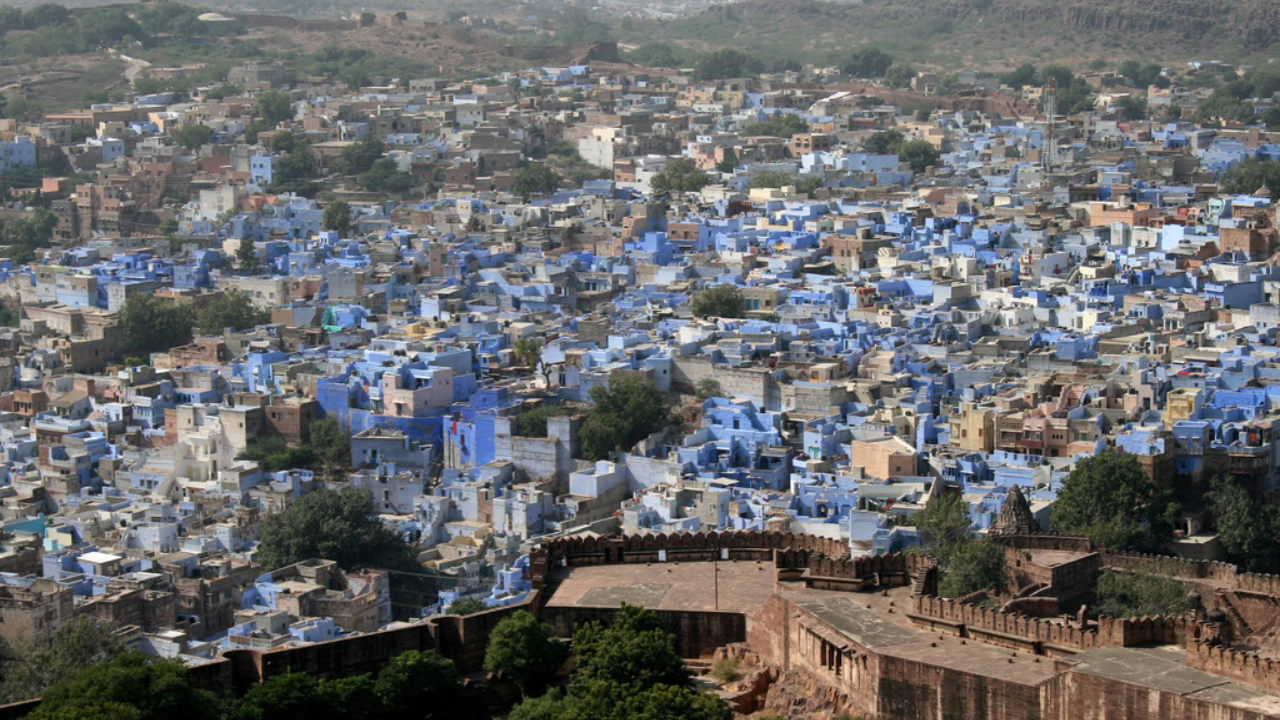
pc: wikipedia
According to the Ministry of Tourism, from the ramparts of Mehrangarh Fort, clusters of blue-painted homes spread across the old quarters below. The colour has become one of the city’s defining images. Historically, many of these houses belonged to Brahmin families, though the practice gradually spread beyond caste boundaries. Over time, the blue walls became part of Jodhpur’s visual identity.Walking through the narrow lanes of the old city reveals why photographers are drawn here. Small courtyards, carved doorways and bright blue facades appear around almost every corner.
How to travel to Jodhpur and explore Western Rajasthan
- Jodhpur is well connected to major cities across India, making it easy to reach by air, rail or road.
- By air
- The city’s main gateway is the airport located a short distance from the centre. Regular flights connect Jodhpur with cities such as Delhi, Mumbai, Jaipur and other major destinations, making air travel the quickest option for most visitors.
- By train
- Jodhpur Railway Station is one of western Rajasthan’s key rail hubs. It is linked with several major cities through long-distance and overnight train services. Travellers arriving by rail can easily access the old city, markets and major attractions from the station.
- By road
- A network of national and state highways connects Jodhpur with destinations across Rajasthan and neighbouring states. Regular government and private bus services operate from cities including Jaipur, Udaipur, Jaisalmer, Bikaner and Delhi. Many travellers also choose to drive, particularly when combining Jodhpur with a wider Rajasthan itinerary.
- Its strong transport links, combined with its location near the Thar Desert, make Jodhpur a convenient base for exploring western Rajasthan.
About the Author